What an organization knows when no one is in the room
Ask an organization why a decision was made. The answer depends on who is available.
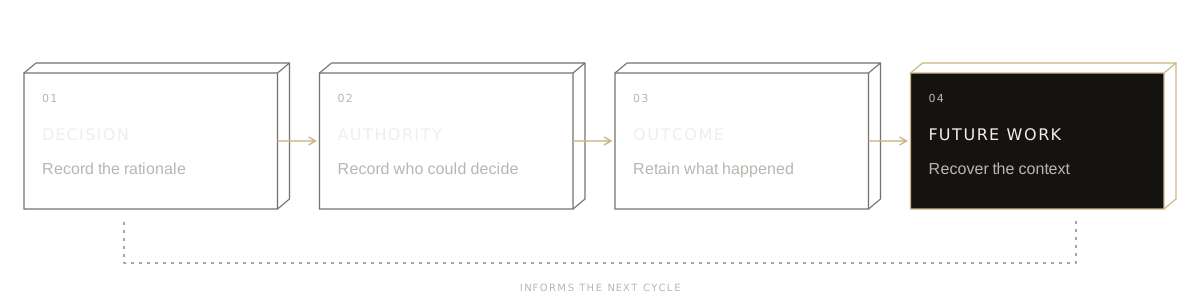
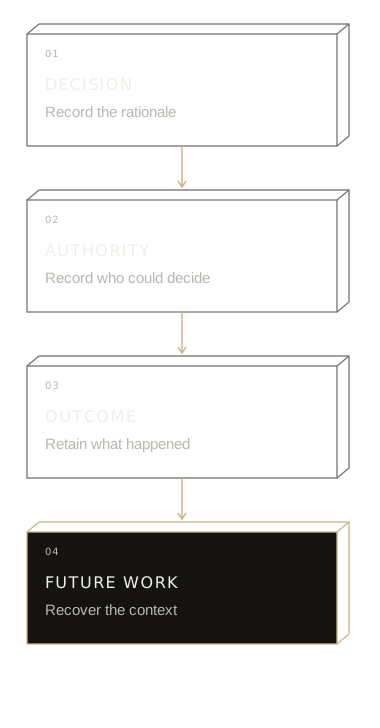
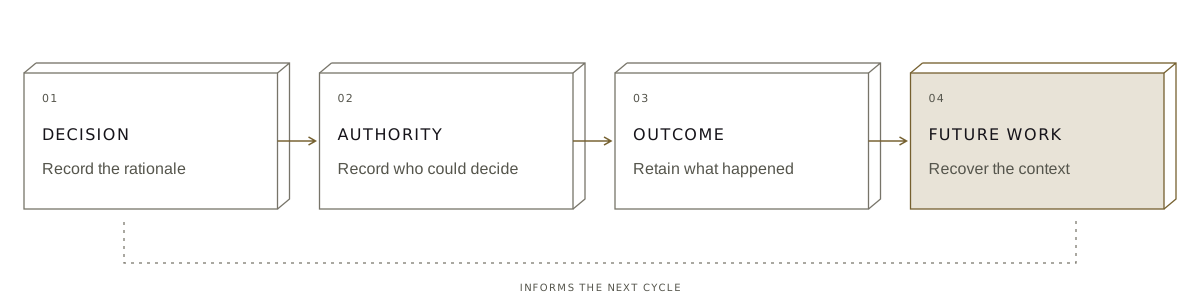
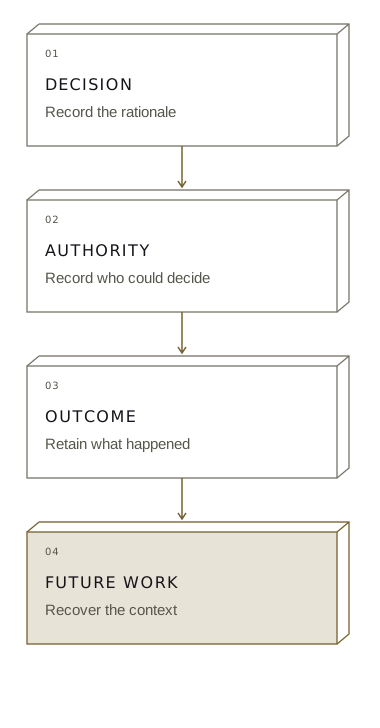
The reasoning lived in a meeting. The constraints lived in someone's head. The document that survived records the outcome without the argument.
Now someone must make the next decision.
Organizational memory needs decisions with their reasons, authority stated rather than assumed, and a record of what happened. Without these, each handoff requires reconstruction.
This is unglamorous work. It makes knowledge available to the next person—and to systems that need to act on it. Someone must still keep it accurate.
Close the office for a week. Can the organization explain its decisions and pick up the work?
If the answer requires a particular person to return, you have a dependency to design for.